Research
Hundreds of members of the Tibetan community are being targeted by email-based malware attacks that leverage the March 10 Tibetan Uprising anniversary as a theme. This report analyzes two March 10 related attacks. One using a new malware family we call MsAttacker , and another using the ShadowNet malware family and command and control infrastructure related to previous campaigns that targeted the Tibetan community.

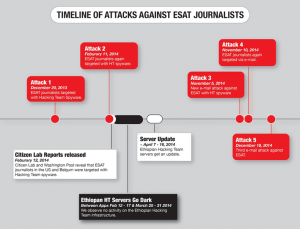
The research findings documented in this report suggest that Hacking Team may have continued to provide updated versions of its spyware to the same attacker who have targeted ESAT journalists based in the United States in 2014, despite reports of use of the spyware against journalists.
Citizen Lab Senior Researcher Helmi Noman contributed another report to the Internet Monitor, a research project that evaluates the extent of internet controls across the world, run by the Berkman Center for Internet & Society at Harvard University.
Citizen Lab Research Fellow John Scott-Railton is one of the authors of a report entitled “Behind the Syrian Conflict’s Digital Frontlines,” released today by FireEye, that documents a hacking operation that successfully breached the Syrian opposition.

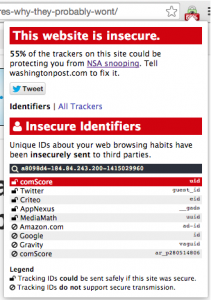
This post describes TrackerSSL, a browser extension that reveals the leaky ad trackers on webpages that leave your browsing habits open to surveillance.
Christopher Parsons, post-doctoral fellow at the University of Toronto’s Citizen Lab and managing director of the Telecom Transparency Project, has published a draft paper analyzing the effectiveness of the ‘transparency reports’ that Canadian telecommunications companies released in 2014.
The Canadian SIGINT Summaries includes downloadable copies, along with summary, publication, and original source information, of leaked CSE documents.
Citizen Lab Director Ron Deibert wrote an article entitled “The Geopolitics of Cyberspace after Snowden,” [pdf] published in the January 2015 edition of Current History, a journal of contemporary world affairs.
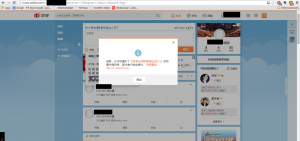
We investigate what keywords might trigger censorship via automatic review in Sina Weibo and followed the pathways a typical censored post might take on Chinese social media.
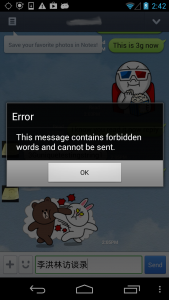
This report is part of a series which analyzes regionally-based keyword censorship in LINE, a mobile messaging application developed by LINE Corporation. The most recent update to the censorship keyword list include a number of new entries as well as the introduction of regular expressions for more advanced keyword matching.