FAQ
In this explainer, we discuss the findings of our comparative analysis of security, privacy, and censorship issues in TikTok and Douyin.

On December 21, 2020 the Citizen Lab released a report that discovered issues with three COVID-related applications in Indonesia and the Philippines. This document provides a summary of the research findings and questions and answers from the research team.

On December 7, 2020, the Citizen Lab published a report that investigates Huawei, 5G technologies, and Canadian telecommunications issues. Drawing exclusively on open-source reporting, it finds that Canada does not have a Huawei problem, per se; it has a 5G strategy problem that is linked to the Government of Canada lacking a principle-driven set of integrated industrial, cyber security, and foreign policy strategies. This document provides a summary of the research findings and questions and answers from the research team.

This document provides an explainer to a new report from Citizen Lab and the International Human Rights Program at the University of Toronto’s Faculty of Law on the use and human rights implications of algorithmic policing practices in Canada.

On May 7 2020, the Citizen Lab published a report that documents how WeChat (the most popular social app in China) conducts surveillance of images and files shared on the platform and uses the monitored content to train censorship algorithms. This document provides a summary of the research findings and questions and answers from the research team.

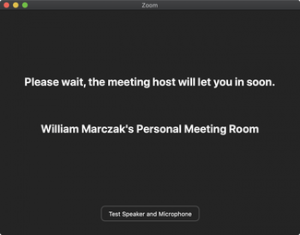
In this note, we describe a security issue where users in the “Waiting Room” of a Zoom meeting could have spied on the meeting, even if they were not approved to join. Zoom fixed the issue after we reported it to them.
Since publishing report on Zoom security issues, there have been a wide range of responses to our research from the media, public, and Zoom itself. This document provides answers to frequently asked questions and addresses some inaccurate framings of our research.