Op-ed
Data suggests that most journalism schools are struggling to provide training that properly protects journalists, their sources, and their colleagues online.

As part of Citizen Lab’s SIGINT working group (which focuses on Canada’s signals intelligence activities), Bill Robinson offers an analysis of proposed legislative changes in Bill C-59.
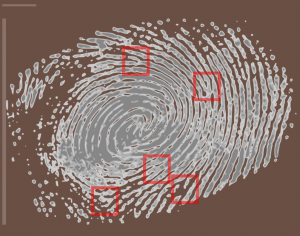
What does it mean for technology to be increasingly reliant on biometrics? Do facial recognition practices make room for racial discrimination? With both private companies and states implementing biometric technologies, what human rights issues arise? These are some of the questions addressed in Leandro Ucciferri’s new post with Privacy International, “The Identity We Can’t Change”.
Citizen Lab Director Ron Deibert has authored a piece in JustSecurity on the FBI’s report on the Russian hacking of the Democratic National Convention (DNC). In the article, titled “The DHS/FBI Report on Russian Hacking was a Predictable Failure,” Deibert assesses the report itself, as well as the Obama administration’s response to the hacking, and its public handling.
Citizen Lab Director Ron Deibert authored an op-ed for CBC News detailing the newly revamped Access My Info tool, which now includes fitness trackers and dating applications. The tool allows Canadians to exercise their right to inquire about the information that technology companies store about them.
In a guest post on JustSecurity co-authored with Tamir Israel of the Canadian Internet Policy & Public Interest Clinic (CIPPIC), Citizen Lab Postdoctoral Fellow Christopher Parsons urged a revaluation of Canada’s intelligence sharing with its Five Eyes allies.
In an article written for Foreign Affairs, Citizen Lab Senior Research Fellow Jason Q. Ng discusses the crackdown of “rumours” on the popular Chinese WeChat mobile application, and its broader implications for censorship in the country.
In this article, Sarah McKune calls for the encryption and anonymity debate to address the aspects of human rights that are unique to digital space.
Citizen Lab Senior Legal Researcher Sarah McKune explores the link between the United Nations’ human rights mechanisms and cybersecurity. The post also features an interview with UN Special Rapporteur on freedom of opinion and expression David Kaye.
In an article published in the Institute for Research on Public Policy’s (IRPP) “Policy Options” blog, Research Fellow Jon Penney observed that the debate on Canada’s Bill C-51 Anti-Terror law has been “contentious and ranging, yet few commentators have drawn on experience or expert voices elsewhere to understand its implications.”