Digital Transnational Repression
Exploring the methods and impacts of digital transnational repression on exiled activists and civil society.
Read More
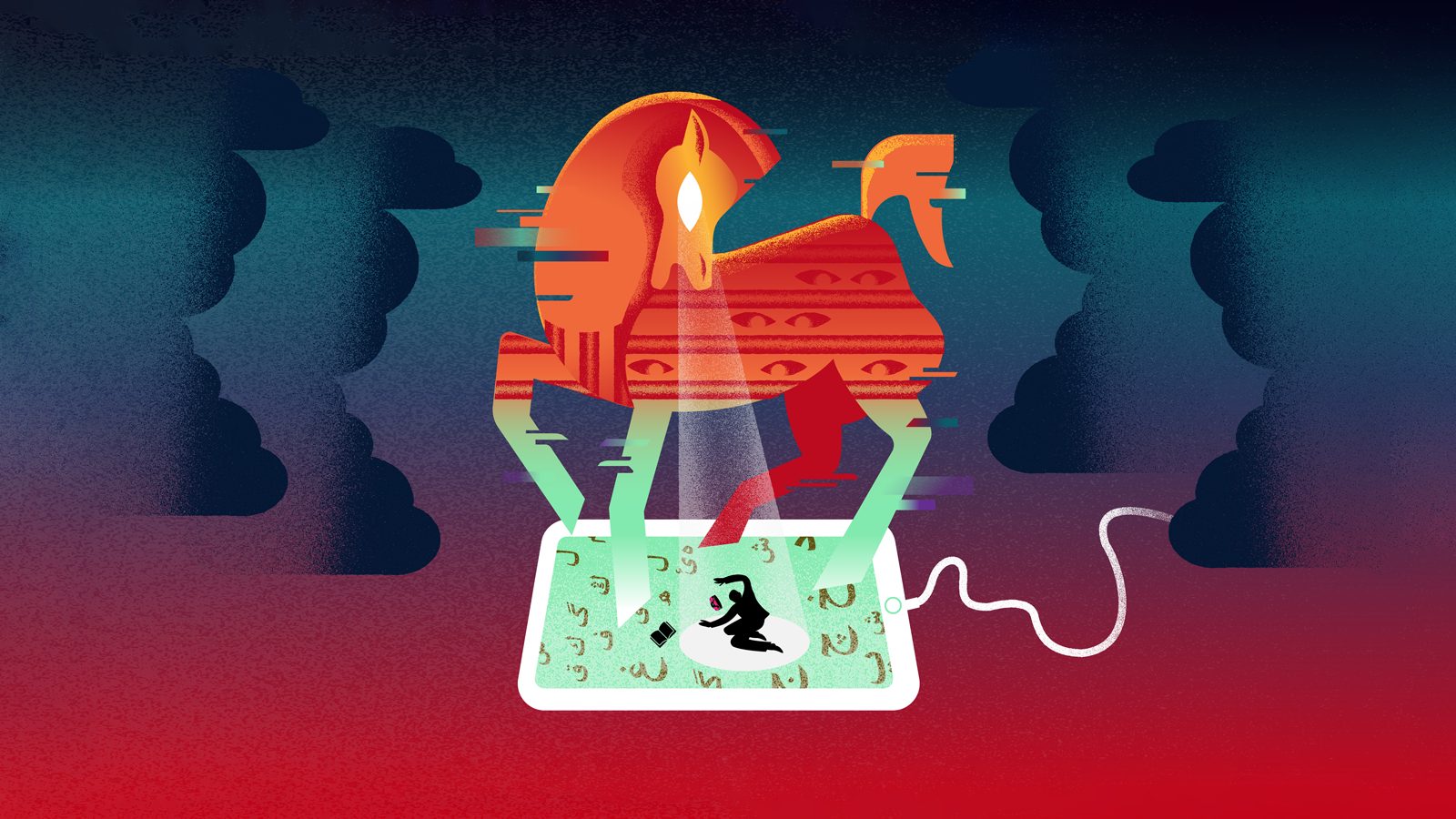
Digital transnational repression occurs when states use digital technologies to surveil, harass, intimidate, or silence exiled dissidents and diaspora communities across borders. Our research examines the methods and impacts of digital transnational repression on exiled dissidents and civil society.
The global adoption of digital technology has created new ways for states to extend their repressive reach beyond their own borders. Practices of digital transnational repression include the use of spyware, phishing, surveillance, online harassment, doxxing, and disinformation campaigns, all aimed at controlling, silencing or discrediting dissidents abroad.
These tactics have significant impacts on targets. Exiled and diaspora activists may self-censor or limit their use of digital tools, undermining their ability to engage meaningfully in activism or advocacy. Their compromised communications may put personal and professional contacts in their country of origin at increased risk which leads them to reduce or entirely cut these ties. Fear of surveillance can spread mistrust and uncertainty, bringing members of diaspora communities to isolate themselves from one another. Disinformation campaigns and doxxing can negatively impact activists’ professional and personal lives.

LATEST RESEARCH
-
Weaponized Words
Uyghur Language Software Hijacked to Deliver Malware
Our investigation of a spearphishing campaign that targeted senior members of the World Uyghur Congress in March 2025 reveals a highly-customized attack delivery method. The ruse used by attackers replicates a pattern in which threat actors weaponize software and websites aimed at preserving and supporting marginalized and repressed cultures to target those same communities.
April 28, 2025
-
No Escape
The Weaponization of Gender for the Purposes of Digital Transnational Repression
Drawing on the lived experiences of 85 women human rights defenders originating from 24 countries of origin and residing in 23 host countries, we examine how gender and sexuality play a central role in digital transnational repression.
December 2, 2024
-
Psychological and Emotional War
Digital Transnational Repression in Canada
In this report, we describe how activists and dissidents living in Canada are impacted by digital transnational repression. We conclude that digital transnational repression has a serious impact on these communities, including their ability to undertake transnational advocacy work related to human rights. Yet, there is little support for victims who experience such targeting and policy efforts by the Canadian government to date have been insufficient.
March 1, 2022


RECENT NEWS
BROWSE RELATED CONTENT
OUR EXPERTS IN DIGITAL TRANSNATIONAL REPRESSION
-

Noura Aljizawi
Senior Researcher
-
Nicola Lawford
Fellow
-
Marcus Michaelsen
Senior Researcher
-
Siena Anstis
Senior Legal Advisor