Publications
This report provides a detailed, mixed methods analysis of Information controls related to the Yemen armed conflict, with research commencing at the end of 2014 and continuing through October 20, 2015. The research confirms that Internet filtering products sold by the Canadian company Netsweeper have been installed on and are presently in operation in the state-owned and operated ISP YemenNet, the most utilized ISP in the country.

This report analyzes a campaign of targeted attacks against an NGO working on environmental issues in Southeast Asia. Our analysis reveals connections between these attacks, recent strategic web compromises against Burmese government websites, and previous campaigns targeting groups in the Tibetan community.
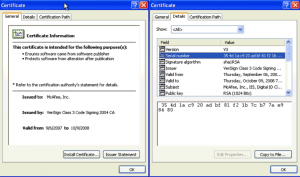
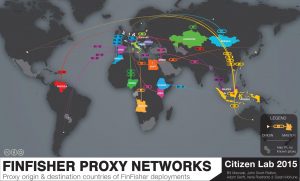
This post describes the results of Internet scanning we conducted to identify the users of FinFisher, a sophisticated and user-friendly spyware suite sold exclusively to governments.
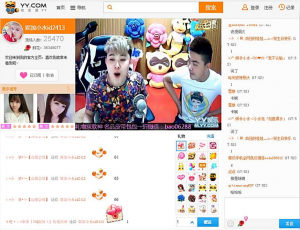
In this paper presented at USENIX FOCI 2015 we use reverse engineering to provide a view into how keyword censorship operates on four popular social video platforms in China: YY, 9158, Sina Show, and GuaGua. We also find keyword surveillance capabilities on YY. Our findings show inconsistencies in the implementation of censorship and the keyword lists used to trigger censorship events between the platforms we analyzed. We reveal a range of targeted content including criticism of the government and collective action. These results provide evidence that there is no monolithic set of rules that govern how information controls are implemented in China.
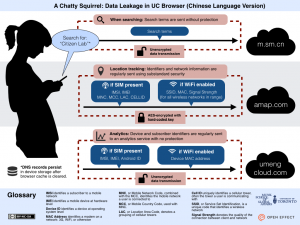
UC Browser is the most popular mobile web browser in China and India, boasting over 500 million users. This report provides a detailed analysis of how UC Browser manages and transmits user data, particularly private data, during its operation. Our research was prompted by revelations in a document leaked by Edward Snowden on which the Canadian Broadcasting Corporation (CBC) was preparing a story.