
Kate Robertson is a senior research associate at the Citizen Lab. Her research focuses on the intersection of law, policy, and technology, and examines transparency and accountability mechanisms relevant to the relationship between corporations and state agencies in the use of personal data and other surveillance activities. She has published research on emerging technologies, cybersecurity, and transnational law enforcement systems, and has previously represented public interest organizations in digital rights cases before the Supreme Court of Canada. She draws on former experience as a law clerk to the Honourable Justice Rosalie Silberman Abella of the Supreme Court of Canada, and subsequently, as a criminal lawyer in Canada’s justice system. She is a graduate of the University of Toronto’s Faculty of Law.
Publications
Unspoken Implications
A Preliminary Analysis of Bill C-2 and Canada’s Potential Data-Sharing Obligations Towards the United States and Other Countries
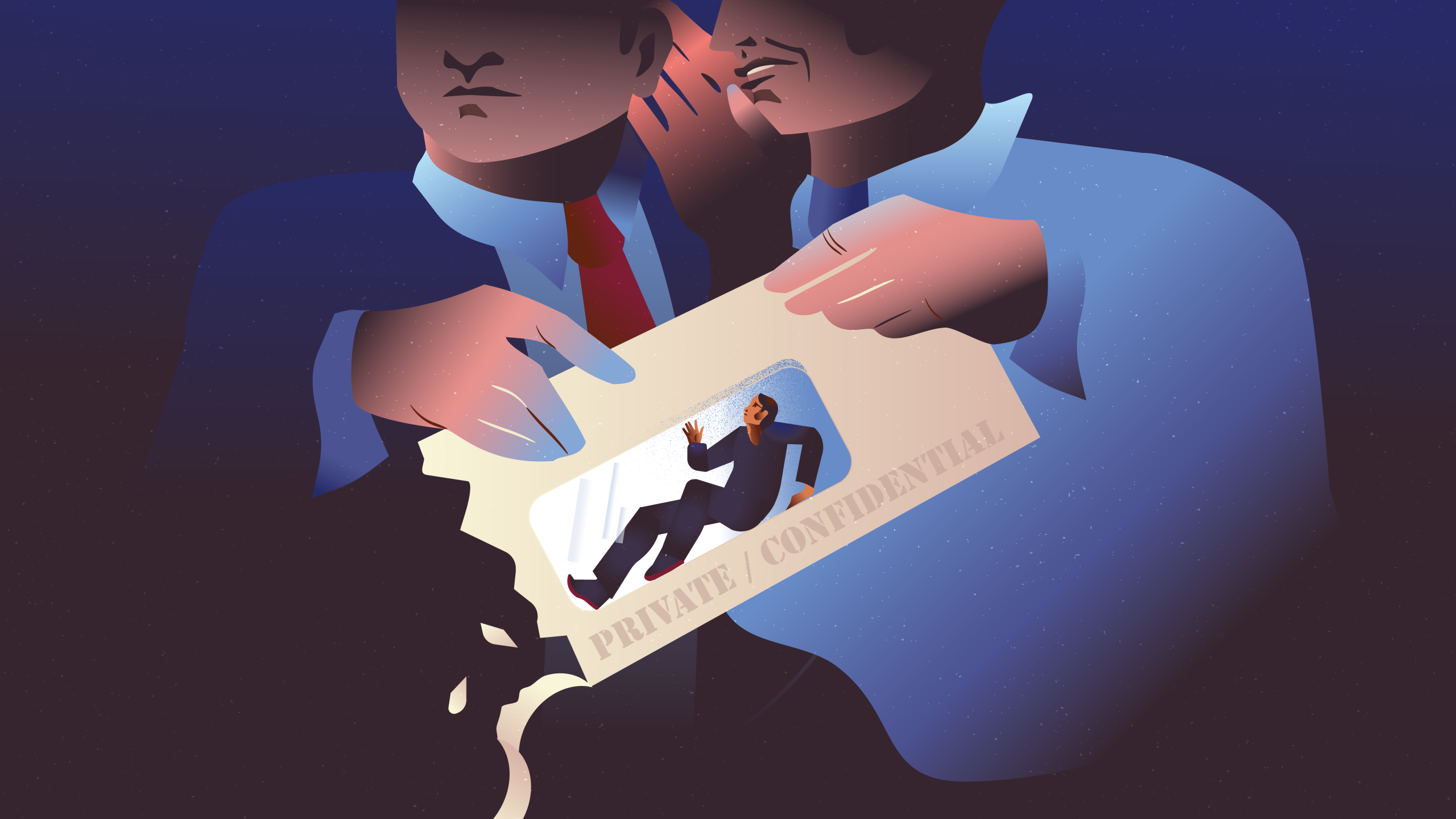
Our preliminary analysis of Bill C-2 situates the legislation within the context of existing research by the Citizen Lab about two potential data-sharing treaties that are most relevant to the new proposed powers being introduced in Bill C-2: the Second Additional Protocol to the Budapest Convention (2AP) and the CLOUD Act. Both of which carry significant constitutional and human rights risks.
Virtue or Vice? A First Look at Paragon’s Proliferating Spyware Operations
In our first investigation into Israel-based spyware company, Paragon Solutions, we begin to untangle multiple threads connected to the proliferation of Paragon’s mercenary spyware operations across the globe. This report includes an infrastructure analysis of Paragon’s spyware product, called Graphite; a forensic analysis of infected devices belonging to members of civil society; and a closer look at the use of Paragon spyware in both Canada and Italy.
Canada-U.S. Cross-Border Surveillance Negotiations Raise Constitutional and Human Rights Whirlwind under U.S. CLOUD Act
Legal researchers Cynthia Khoo and Kate Robertson warn that a Canada-U.S. CLOUD agreement would extend the reach of U.S. law enforcement into Canada’s digital terrain to an unprecedented extent, and that if signed, this agreement would effectively allow U.S. police to demand personal data directly from any provider of an “electronic communication service” or “remote computing service” in Canada, so long as it had some ties to the U.S.
