Publications
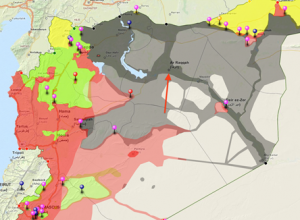
This report describes a malware attack on a Syrian citizen media group critical of Islamic State of Iraq and Syria (ISIS). Though we are unable to conclusively attribute the attack to ISIS or its supporters, a link to ISIS is plausible. The malware used in the attack differs substantially from campaigns linked to the Syrian regime, and the attack is against a group that is an active target of ISIS forces. In the interest of highlighting a developing threat, this post analyzes the attack and provides a list of Indicators of Compromise.
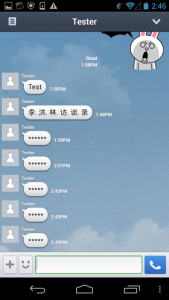
This report is part of a series which analyzes regionally-based keyword censorship in LINE, a mobile messaging application developed by LINE Corporation. The most recent update to the censorship keyword list include a number of new entries as well as the introduction of regular expressions for more advanced keyword matching.
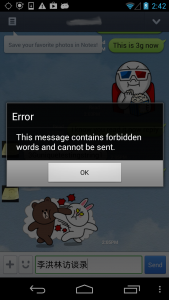
At USENIX Security 2014 Citizen Lab researchers presented two papers on targeted threats against civil society communities as part of a dedicated session on the topic entitled Tracking Targeted Attacks against Civilians and NGOs.
In this post we examine how the Great Firewall of China is implementing DNS tampering and HTTP request filtering on KakaoTalk and LINE domains, which is disrupting service of the applications as a result. We find that Flickr and OneDrive are also blocked through DNS tampering. We also analyze recent changes to the LINE keyword filtering list.
This report is the third in a series which analyzes regionally-based keyword censorship in LINE, a mobile messaging application developed by LINE Corporation. We document recent changes to the list of keywords used by LINE to trigger regionally-based keyword filtering for users with accounts registered to Chinese phone numbers.