China
We consistently found that Bing censors politically sensitive Chinese names over time, that their censorship spans multiple Chinese political topics, consists of at least two languages—English and Chinese—and applies to different world regions, including China, the United States, and Canada.

Citizen Lab researchers find several encryption vulnerabilities on China’s mandatory app for Olympic athletes, MY2022.
MY2022, an app mandated for use by all attendees of the 2022 Olympic Games in Beijing, has a simple but devastating flaw where encryption protecting users’ voice audio and file transfers can be trivially sidestepped. Health customs forms which transmit passport details, demographic information, and medical and travel history are also vulnerable. Server responses can also be spoofed, allowing an attacker to display fake instructions to users.

China’s sophisticated filtering system, known as the Great Firewall (GFW), is the region’s biggest impediment to the freedom of information. The GFW is built by the Chinese government and is continuously developed to serve their political interests. In this report, we introduce the design of GFWatch, a large-scale longitudinal measurement platform that informs the public about how GFW censorship changes over time and its negative impact on the free flow of information.
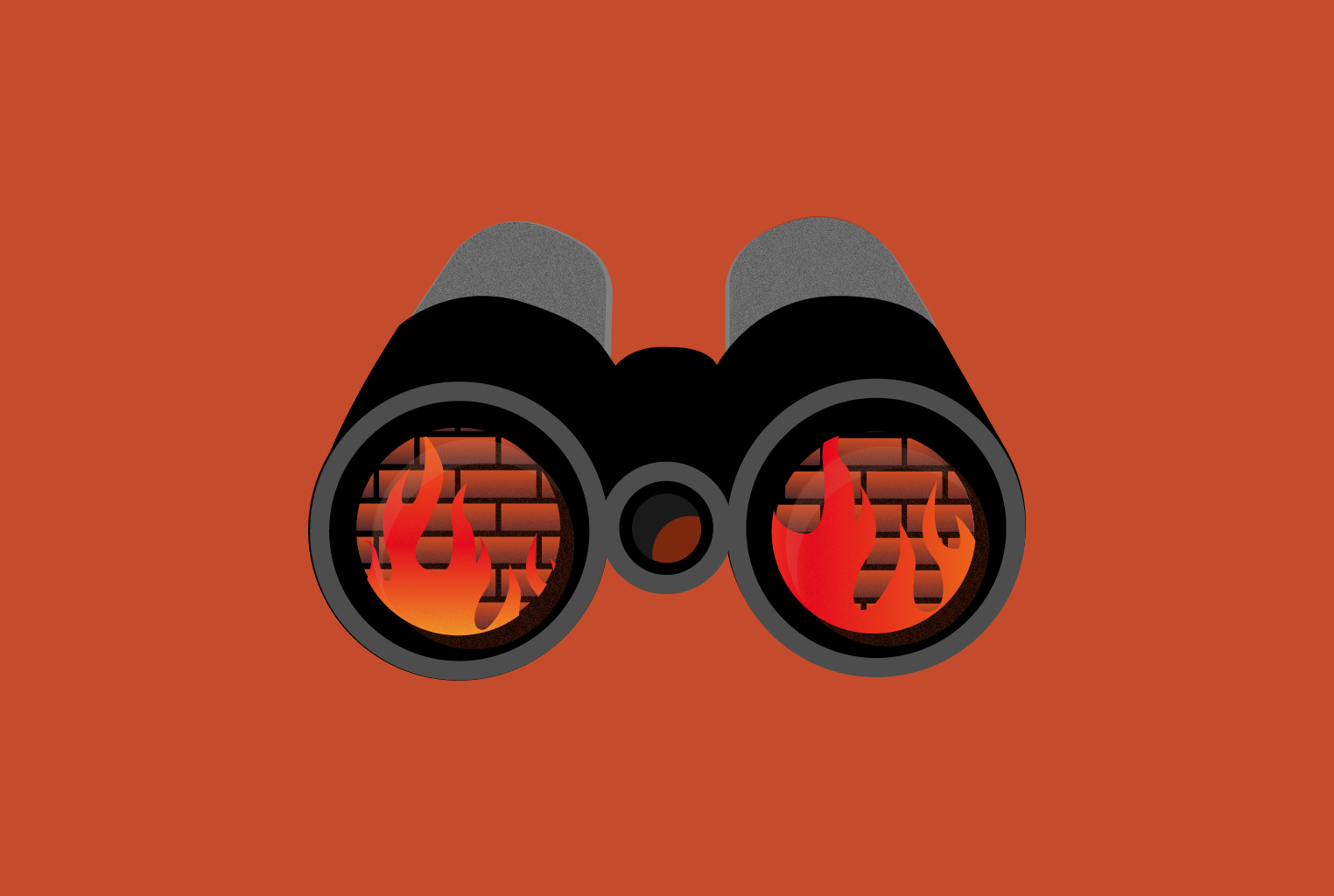
In this post, we discuss the significance of the findings from our report analyzing Apple product engraving services and observed censorship.
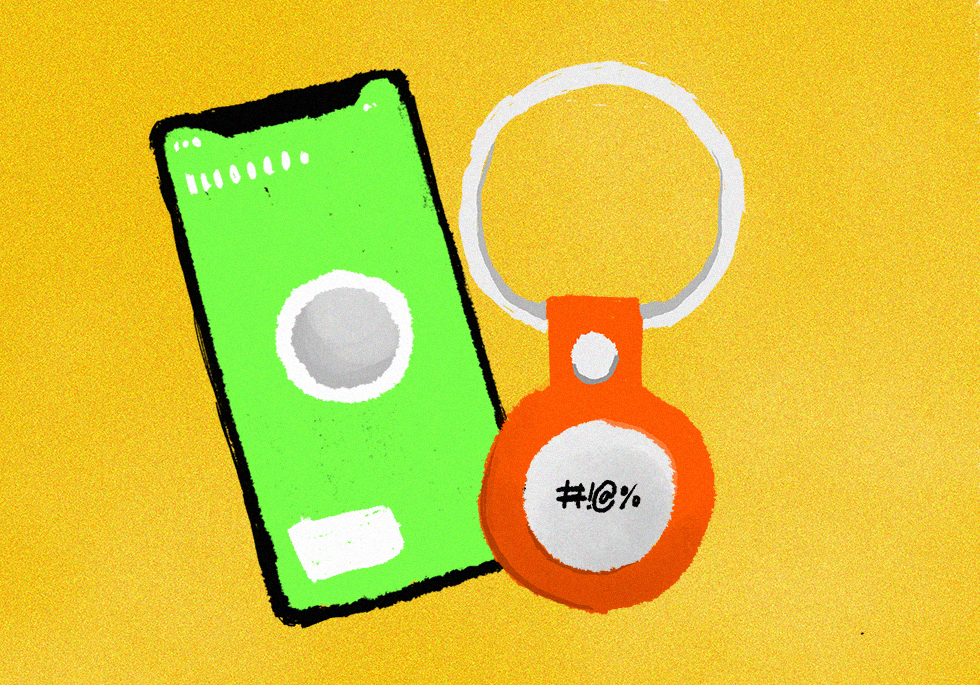
Within mainland China, we found that Apple censors political content including broad references to Chinese leadership and China’s political system, names of dissidents and independent news organizations, and general terms relating to religions, democracy, and human rights. And across all six regions, we found that Apple’s content moderation practices pertaining to derogatory, racist, or sexual content are inconsistently applied and that Apple’s public-facing documents failed to explain how it derives their keyword lists.
In this explainer, we discuss the findings of our comparative analysis of security, privacy, and censorship issues in TikTok and Douyin.

A comparative analysis of security, privacy, and censorship issues in TikTok and Douyin, both developed by ByteDance.
On December 7, 2020, the Citizen Lab published a report that investigates Huawei, 5G technologies, and Canadian telecommunications issues. Drawing exclusively on open-source reporting, it finds that Canada does not have a Huawei problem, per se; it has a 5G strategy problem that is linked to the Government of Canada lacking a principle-driven set of integrated industrial, cyber security, and foreign policy strategies. This document provides a summary of the research findings and questions and answers from the research team.

This document provides an explainer to a new report from Citizen Lab and the International Human Rights Program at the University of Toronto’s Faculty of Law on the use and human rights implications of algorithmic policing practices in Canada.