Research FAQ for the full report “Should We Chat, Too? Security Analysis of WeChat’s MMTLS Encryption Protocol”

This report examines the accessibility of certain types of content on VK (an abbreviation for “VKontakte”), a Russian social networking service, in Canada, Ukraine, and Russia. Among these countries, we found that Russia had the most limited access to VK social media content, due to the blocking of 94,942 videos, 1,569 community accounts, and 787 personal accounts in the country.

The Citizen Lab, in collaboration with Catalan civil society groups, has identified at least 65 individuals targeted or infected with mercenary spyware, including members of the European Parliament, Catalan Presidents, legislators, jurists, and members of civil society organisations.

Our forensic analysis confirms that phones belonging to three individuals in Bahrain were hacked in 2021 with NSO Group’s Pegasus spyware.

Front Line Defenders’ analysis indicated that six devices belonging to six Palestinian human rights defenders were hacked with Pegasus, a spyware developed by the cyber-surveillance company NSO Group. Both the Citizen Lab and Amnesty International’s Security Lab independently confirmed these findings.

For human rights activists, Internet technologies bring both risks and benefits. Smartphones are widely used to document the abuses that activists are fighting against, as well as to store photos, recordings, and documents. Social media and messaging apps are key organising and communications tools. But even as these technologies enhance activists’ work, they also enable online threats such as surveillance and harassment.

How do information controls impact different communities? Debates on Internet-enabled mass surveillance practices have increasingly dominated mainstream conversations, especially after the Snowden revelations. However, what is not as well documented is targeted surveillance operations against civil society that threaten their ability to hold governments accountable.
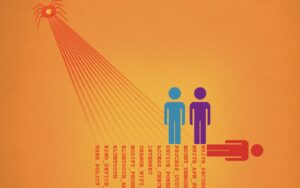
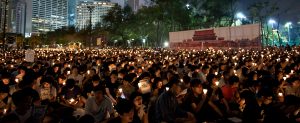
In the days leading up to the 30th anniversary of June 4 1989, YY, a popular live streaming platform in mainland China, updated its keyword blacklists with content focused on Democracy Movement related memorials and activism in Hong Kong.
This report demonstrates the technical underpinnings of how WeChat image censorship operates and suggests possible evasion strategies.

In this section, we spotlight several countries where we have evidence of public ISPs blocking websites using Netsweeper’s products. Each country has significant human rights, public policy, insecurity, or corruption challenges, and/or a history of using Internet censorship to prevent access to content that is protected under international human rights frameworks.