Report
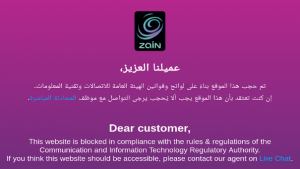
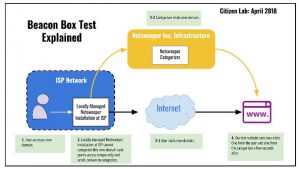
In this section, we spotlight several countries where we have evidence of public ISPs blocking websites using Netsweeper’s products. Each country has significant human rights, public policy, insecurity, or corruption challenges, and/or a history of using Internet censorship to prevent access to content that is protected under international human rights frameworks.
This section examines the legal, regulatory, corporate social responsibility, and other public policy issues raised by our report’s findings. We focus on the responsibilities of Netsweeper, Inc. and the obligations of the Canadian government under international human rights law.
This report describes our investigation into the apparent use of Sandvine/Procera Networks Deep Packet Inspection (DPI) devices to deliver nation-state malware in Turkey and indirectly into Syria, and to covertly raise money through affiliate ads and cryptocurrency mining in Egypt.

Canadians can learn new things about your personal data by requesting access to it from companies. What can be found out varies by company and there can be some hurdles to overcome before you get access.
In this post, we evaluate the Government’s explanation of some of the more problematic elements of Bill C-59 in its briefing notes. We ultimately conclude that while the government’s briefing material provides insight into some of the ways that the CSE might act following the passage of the CSE Act, the material itself does not resolve our concerns with the CSE Act.
This report describes an inexpensive and technically simple phishing operation. It shows that the continued low adoption rates for digital security features, such as two factor authentication, contribute to the low bar to entry for digital espionage.

The Citizen Lab and the Canadian Internet Policy & Public Interest Clinic (CIPPIC) have collaborated to produce a report which provides timely legal analysis, political context, and historical background on the Communications Security Establishment Act and related provisions in Bill C-59 (An Act respecting national security matters), First Reading (December 18, 2017).
This report describes how Ethiopian dissidents in the U.S., U.K., and other countries were targeted with emails containing sophisticated commercial spyware posing as Adobe Flash updates and PDF plugins.

South Korea requires minors to have content filtering apps installed on their phones. A security audit of two child monitoring apps published by major Korean telecoms —KT Olleh Kidsafe and Clean Mobile Plus—finds serious security and privacy issues that put children at risk.

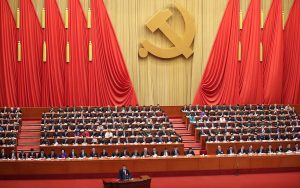
The 19th National Communist Party Congress was held from October 18-24, 2017. WeChat, China’s most popular chat app, blocked a broad range of content related to the Congress.