Report
This report analyzes the information control practices related to a national crackdown on Chinese rights lawyers and activists on two leading Chinese social media networks. We document the Search filtering on Weibo, China’s Twitter-like service, as well as keyword and image censorship on WeChat, the most popular chat app in China.
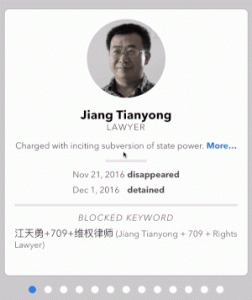
This report analyzes the information control practices related to a national crackdown on Chinese rights lawyers and activists on two leading Chinese social media networks. We document the Search filtering on Weibo, China’s Twitter-like service, as well as keyword and image censorship on WeChat, the most popular chat app in China.
The Cyber Stewards Network is pleased to announce the release of a report titled “An Overview of Internet Infrastructure and Governance in the Philippines.” The report outlines the key actors, regulatory structures, and challenges facing the development of the ICT sector in the country, as well as privacy and cybersecurity concerns.

This report describes an espionage operation using government-exclusive spyware to target Mexican government food scientists and two public health advocates.

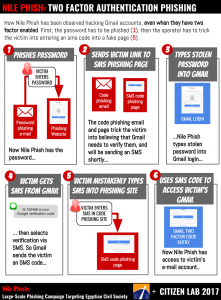
This report discusses the targeting of Egyptian NGOs by Nile Phish, a large-scale phishing campaign. Almost all of the targets we identified are also implicated in Case 173, a sprawling legal case brought by the Egyptian government against NGOs, which has been referred to as an “unprecedented crackdown” on Egypt’s civil society. Nile Phish operators demonstrate an intimate knowledge of Egyptian NGOs, and are able to roll out phishing attacks within hours of government actions, such as arrests.
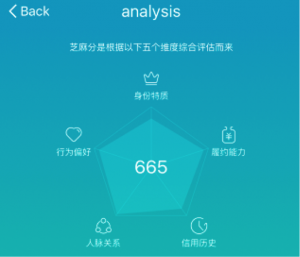
The second post in this series examines a Chinese mobile payment app feature increasingly covered in foreign media: testing of what may one day be a nationwide official social credit system to replace its traditional analog counterpart. Our exploration of potential security, privacy, and other issues of such a system is meant to raise questions that can inform discussions about how it will evolve.
This research series presents an in-depth examination of mobile payment systems, a rapidly evolving form of financial technology. We will provide an overview of how they are used in China–where they are taking off faster than anywhere else in the world–and what implications their security and data protection practices may have for millions of users, by presenting a case study on Alipay.

From January 2 to 13 2017, His Holiness the Dalai Lama is holding a popular Tibetan Buddhist teaching called Kalachakra in Bodh Gaya, India. Increased restrictions from the government of China has barred Tibetans in Tibet from attending the teachings. This report documents blocking of Kalachakra-related keywords on WeChat revealing how restrictions on the ritual extend online.

In this report we provide the first systematic study of keyword and website censorship on WeChat, the most popular chat app in China

In this report we provide the first systematic study of keyword and website censorship on WeChat, the most popular chat app in China