Asia Pacific
COVID-KAYA, a platform used by frontline healthcare workers in the Philippines to collect and share COVID-19 cases with the Philippines Department of Health, contained vulnerabilities in both the web and Android apps that allows for unauthorized users to access private data about the app’s users, and potentially patient data.

This document provides an explainer to a new report from Citizen Lab and the International Human Rights Program at the University of Toronto’s Faculty of Law on the use and human rights implications of algorithmic policing practices in Canada.

As a follow-up to our March 2020 report, we conducted daily tests on WeChat and collected 2,174 censored keywords between January to May 2020. This data provides a view into how narratives and messaging on the pandemic are controlled and molded on social media in China.

Targets were sent emails disguised as important communications, such as official summonses, bearing links to malicious software disguised as important documents. If opened, targets’ computers would have been infected with NetWire, a piece of commodity malware.
In order to build up its censorship algorithm, WeChat surveils international accounts to decide what gets through to China-registered users. A Citizen Lab study finds that the messaging app blacklisted more than 500 keyword combinations relating to the COVID-19 pandemic.
On May 7 2020, the Citizen Lab published a report that documents how WeChat (the most popular social app in China) conducts surveillance of images and files shared on the platform and uses the monitored content to train censorship algorithms. This document provides a summary of the research findings and questions and answers from the research team.

WeChat communications conducted entirely among non-China-registered accounts are subject to pervasive content surveillance that was previously thought to be exclusively reserved for China-registered accounts.

This report examines the encryption that protects meetings in the popular Zoom teleconference app. We find that Zoom has “rolled their own” encryption scheme, which has significant weaknesses. In addition, we identify potential areas of concern in Zoom’s infrastructure, including observing the transmission of meeting encryption keys to China.

The analysis of YY and WeChat indicates broad censorship—blocking sensitive terms as well as general information and neutral references—potentially limiting the public’s ability to access information that may be essential to their health and safety.

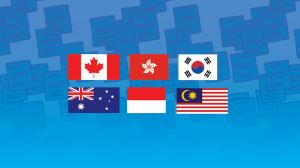
This report presents results from a series of research projects that measured responses to personal data requests from telecommunication companies and Internet Service Providers across jurisdictions in Asia including Australia, Hong Kong, South Korea, Indonesia, and Malaysia. Overall, the projects found responses from telecoms were incomplete and in some cases did not follow what is required by law.