gender
Senior researcher and co-author of the report, Noura Aljizawi, speaks to the Fuller Project about the ways gender is weaponized to silence women.

On March 10, Citizen Lab senior researcher Noura Aljizawi will participate in an OSCE panel titled “From Harm to Justice: Ending Violence Against Women in the Public Sphere in the OSCE Region.” Women who stand at the forefront of efforts to advance gender equality often face severe backlash for their public engagement, impacting individual rights […]
This event was held on November 26, 2025. A recording of the webinar is available below: This year marks the 25th anniversary of UN Security Council Resolution 1325, a milestone recognizing women’s essential roles in peacemaking, conflict prevention, and post-conflict recovery. Yet, as the world celebrates this legacy, new realities challenge its celebration. Join us on […]
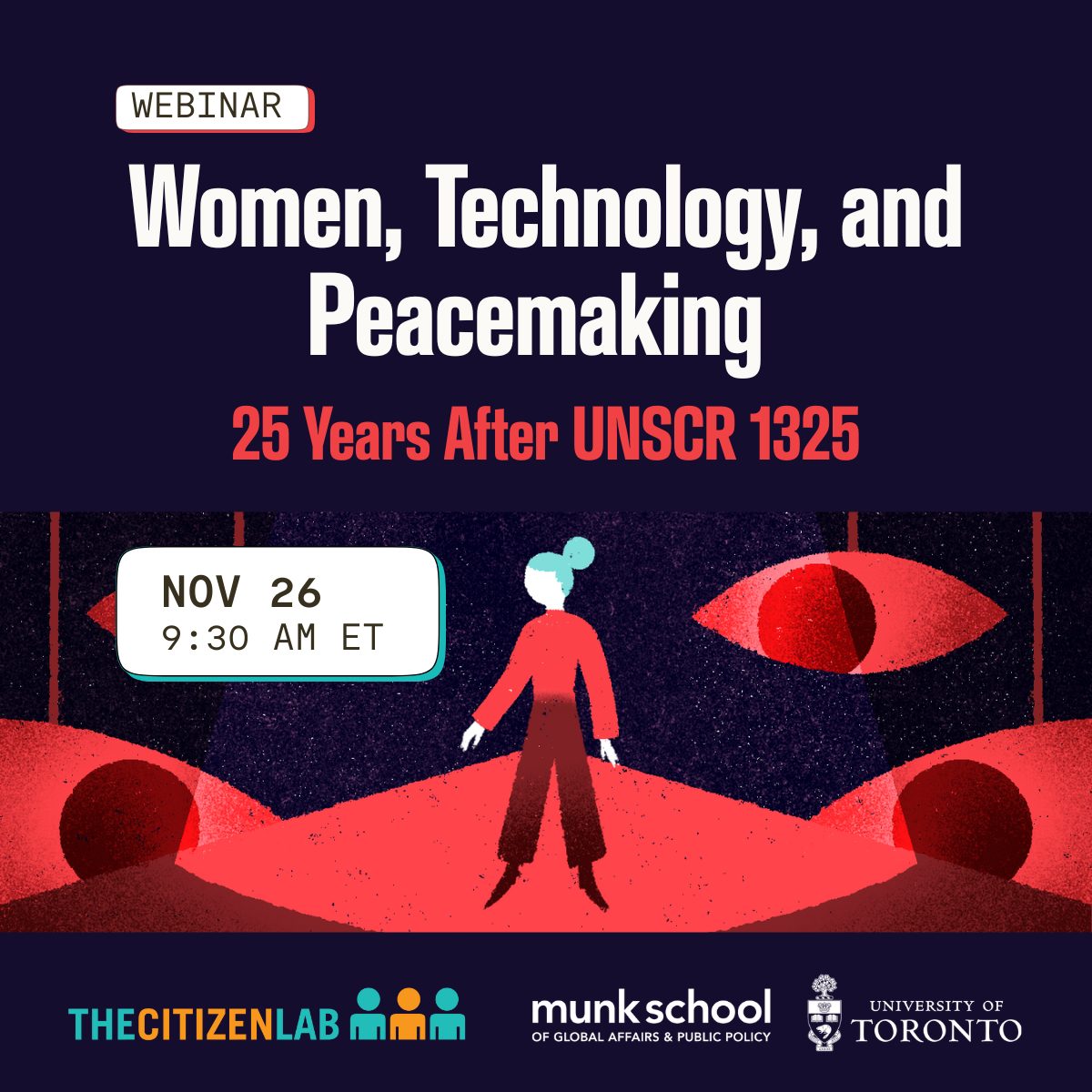
Exiled and living under constant surveillance, Mariam continues her relentless fight against the Bahraini government’s repression. Her father has been a political prisoner for over a decade, and while she advocates for his release, her activism has made her a high-profile target. Since she left Bahrain under threat of arrest, Mariam has faced state-sponsored digital and physical harassment, even while in exile in Denmark.

Arwa – who spent over a decade in public activism work in Yemen – played a crucial role in the 2011 Yemeni uprising. As a woman activist, her public visibility drew relentless attacks and criticism. The pressure grew exhausting, and, in 2015, she sought refuge in the E.U., hoping for a safer environment to continue her work in a more discreet way.

Meron is Swedish-Eritrean. She lives in East Africa where she advocates for Eritrean refugees. Ever since becoming an activist, she has been attacked by trolls who she believes are organized by the Eritrean government.
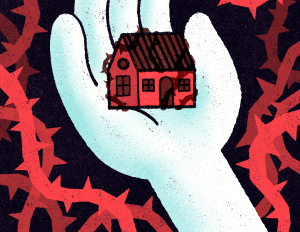
Fatima, a Syrian journalist, has been relentlessly harassed, threatened, and blacklisted for her work. She can hardly bear to think about Syria now, let alone continue writing about the never-ending tragedy of the conflict. After years of covering anti-regime groups, freedom of expression, and gender issues, Fatima fled her home country due to the threats she faced. But even in exile in the U.K., the attacks have not stopped. Online and offline harassment continue to haunt her across borders.
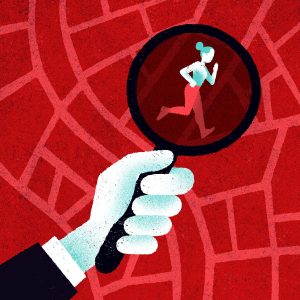
Meryem and her family left the Xinjiang region in China for Turkey in the early 1990s, before settling in North America. As a human rights defender, Meryem has experienced various digital threats in response to her activism. She is frequently attacked by what she believes to be Chinese state-backed trolls on X, Facebook, and in the comment section on public Zoom meetings.

Meryem and her family left the Xinjiang region in China for Turkey in the early 1990s, before settling in North America. As a human rights defender, Meryem has experienced various digital threats in response to her activism. She is frequently attacked by what she believes to be Chinese state-backed trolls on X, Facebook, and in the comment section on public Zoom meetings.
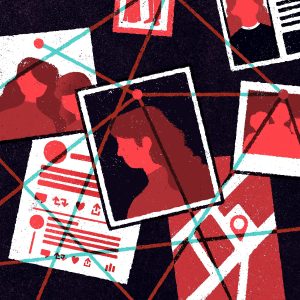
Drawing on the lived experiences of 85 women human rights defenders originating from 24 countries of origin and residing in 23 host countries, we examine how gender and sexuality play a central role in digital transnational repression.